
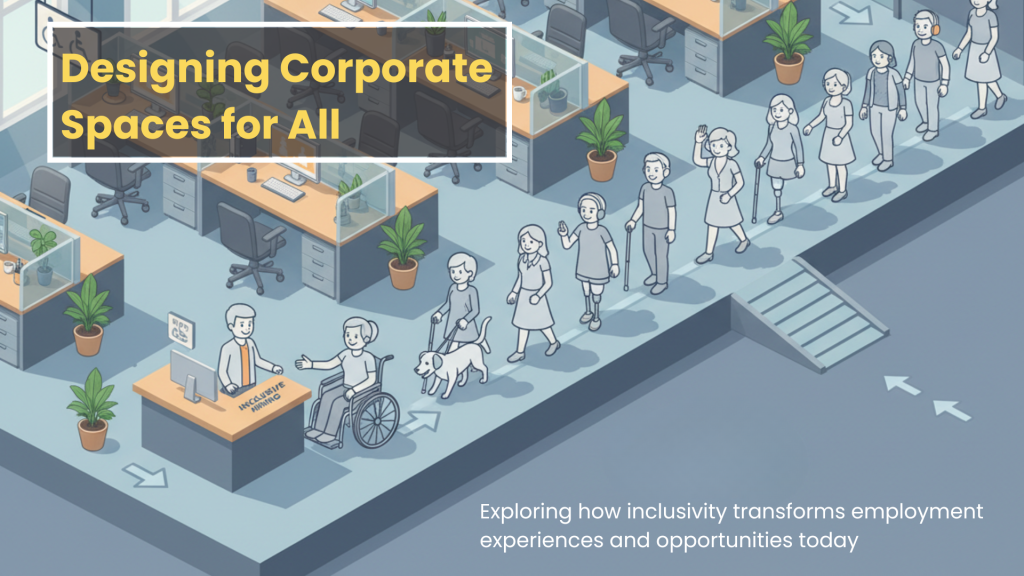
The world of work is constantly changing, resulting in flexible and unpredictable careers in contemporary organizations. Because of this, being employable — that is, having the skills and ability to find and keep a job — has become very important. However, not everyone has the same opportunities to build their employability. Studies have highlighted the polarizing nature of employability, wherein the possibility that vulnerable workers who are considered less employable, may continue to remain so because they lack resources to make themselves more employable and/or attract fewer investments. This becomes especially relevant for Persons with Disabilities (PwD) who hover on the periphery of the labour market.
With “ableism” (the belief that non-disabled people are the “normal”) still common in Indian workplaces, many organizations take a “one-size-fits-all” approach. As a result, employees with disabilities often face the “square peg in a round hole” situation, where they struggle to fit into systems not designed for them. This can hurt their self-image and increase feelings of powerlessness, stress, and exclusion. Although there have been many studies on the employability of PwD from an organisation/management perspective, few have examined the PwD standpoint – what are the self-perceptions of PwD regarding their employability, and what factors/enablers impact perception of employability from their own viewpoint.
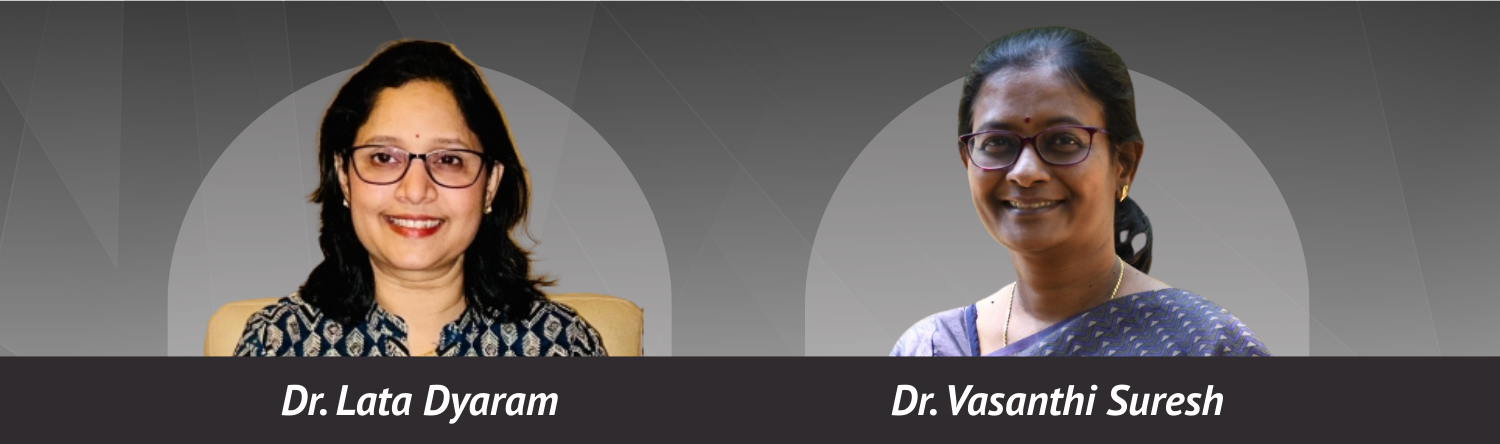
In this study, the authors Dr. Vasanthi Suresh from the School of Management, SASTRA University, Chennai, India, and Dr. Lata Dyaram from the Department of Management Studies, Indian Institute of Technology (IIT) Madras, Chennai, India, focused on identifying the resources and interventions that could help enhance employability of this vulnerable group. About 180 employees with disabilities, working in public and private sector organisations in India participated in the study, and hypotheses on the impact of specific resources on perceived employability of PwD were tested using structural equation modelling.
Highlighting the need to ensure appropriate resources are provided to employees with disabilities to enable them to handle the demands of the job, the authors focused on two types of resources – personal and contextual resources. Under personal resources, self-perceptions are critical since individuals are noted to act based on their perceptions rather than upon any objective reality. Therefore, Protean Career Orientation (PCO – a career orientation where a person believes that he/she is “in charge” of his/her own career) and Job Self-Efficacy (JSE – an individual’s specific belief about their ability to successfully perform their job and exercise control over difficult situations) were considered. Under contextual resources, co-worker support (CWS- the extent to which employees can count on their colleagues to help and support them when needed) and idiosyncratic deals (i-deals – voluntary, personalized agreements of a non-standard nature, negotiated between individual employees and their employers) were considered. I-deals include various negotiated accommodations such as flexibility provided to PwD with regard to place of work, hours of work, type of work, travel, extra leave days, staggered working hours etc.
This study established that organisational interventions such as i-deals and CWS, along with personal characteristics such as PCO and JSE, have a significant positive impact on employability perceptions of individuals with disabilities. The authors believe that their study will trigger fruitful conversations and deliberations among key stakeholders towards thought leadership and more effective measures to improve the lives and livelihoods of persons with disabilities across the world.
Dr. Meenakshi Narayanan, who is the Director (Operations) at the Ability Foundation, Chennai, India, acknowledged the importance of the work done by the authors with the following comments: “This paper makes a strong and timely contribution on inclusive employment among People with Disabilities in India. It offers good insights by skilfully integrating personal, social, and organizational dimensions within the Job Demands–Resources framework, offering both theoretical depth and practical value. Academic rigor and innovations are seen in their inclusive research methods. This study provides actionable insights for organizations to enhance employability of People with Disabilities through support systems, flexibility, and confidence-building. It is a commendable, well-structured and policy-relevant study.”
Article by Akshay Anantharaman
Click here for the original link to the paper